Source Glass Light Shade for Table Lamps, Pendant Lights, and Custom Lighting
Explore 30 glass light shade options from Chinese manufacturers featuring modern styles and custom designs. Buyers can compare specifications, certifications, and packing details for table lamps, pendant lights, and bespoke lighting projects.
Key considerations
Products List


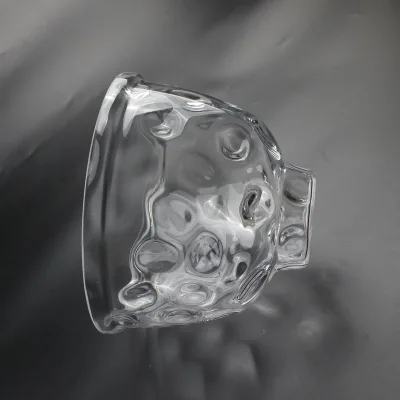
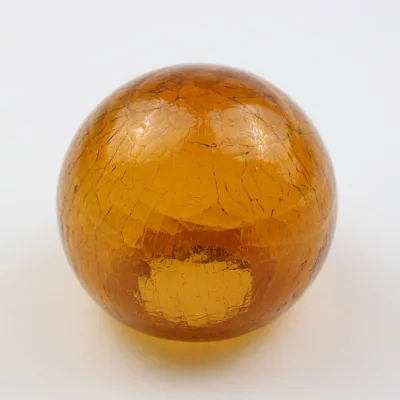
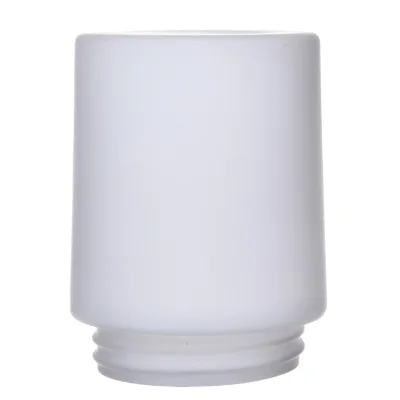
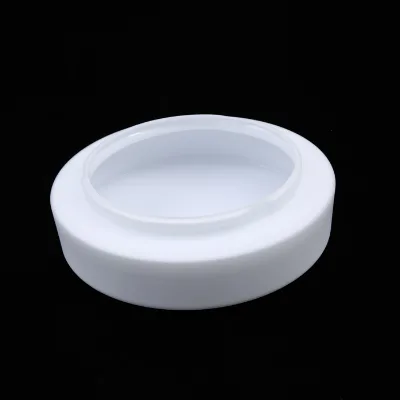


Comprehensive Sourcing Guide
Strategic Sourcing Guide for Glass Light Shades
Procuring glass light shades requires a nuanced understanding of material properties, manufacturing tolerances, and regulatory compliance. The global market offers a diverse array of options ranging from standard decorative fixtures to highly engineered architectural components. Buyers must navigate a landscape where product attributes vary significantly between suppliers, and where "glass" serves as a broad category encompassing tempered, bent, flat, and custom-molded variants. This guide outlines the critical factors for sourcing glass light shades, focusing on technical specifications, certification verification, cost structures, and quality assurance protocols based on observable industry data.
Technical Specifications and Material Variations
The foundation of any successful procurement strategy lies in defining precise technical requirements. Glass light shades are not monolithic products; they exist in various forms with distinct physical characteristics. Based on current market observations, the material is consistently identified as glass, yet the processing techniques define the final utility. Buyers must distinguish between flat tempered glass, which offers structural rigidity for modern applications, and bent or curved glass, which is essential for specific aesthetic designs.
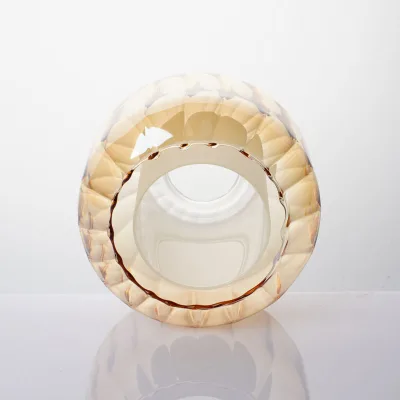
Dimensions are a primary differentiator. Market data indicates a wide range of standard sizes, with specific models exhibiting diameters such as 18cm by 12cm, 180mm by 250mm, or 170mm by 160mm. Other variants may feature larger profiles, such as a diameter of 26cm with a height of 6.8cm. Crucially, many suppliers offer customized thickness ranging from 2mm to 25mm, allowing for tailored solutions in high-traffic or high-heat environments. The shape of the glass is equally critical; options include transparent, clear, amber, and grey finishes, with some products specifically designed as flat tempered articles or curved molding glass.
Surface treatment processes further refine the product's functionality and appearance. Common treatments observed in the market include sandblasting, acid etching, anti-glare coatings, and serigraphy. These processes are not merely cosmetic; they directly impact light diffusion and user comfort. For instance, anti-glare treatments are vital for table lamps used in office or residential settings, while serigraphy allows for branding or decorative patterns. Buyers should verify that the specified surface treatment aligns with the intended application, whether it is for a bespoke lighting fixture, a pendant light, or a general table lamp.
Compliance and Certification Verification
Navigating the regulatory landscape is a non-negotiable aspect of B2B procurement, particularly for products involving electrical components and building materials. While specific certification statuses can vary by batch and supplier, certain standards are frequently cited in the industry. Buyers must rigorously verify that suppliers possess valid certifications such as ISO, CE, CCC, FCC, and RoHS. These certifications indicate adherence to international quality management systems, electrical safety standards, and restrictions on hazardous substances.
Specific standards for glass manufacturing also require attention. In the context of tempered glass, the standard GB/T 9963 is often referenced, with a specific classification for "Super-Tempered Glass" in certain applications. This standard governs the physical tempering process, ensuring the glass meets safety requirements for fragmentation upon breakage. For bent glass, the same standard (GB/T 9963) applies, but the focus shifts to the "Physically Tempered" technique and the ability to maintain structural integrity after the bending process.
It is imperative for buyers to request current certification documents rather than relying on general claims. The presence of certifications like RoHS is particularly relevant for products intended for export to regions with strict environmental regulations. Furthermore, the "Flatness" of the glass, described as "Conforming Article" in some listings, must be verified against the specific tolerance requirements of the lighting design. A deviation in flatness can lead to installation issues or uneven light distribution. Buyers should explicitly request test reports confirming that the product meets the cited standards, such as the GB/T 9963 for steel degree and tempering quality, to mitigate compliance risks.
Cost Drivers and Pricing Structures
The pricing of glass light shades is influenced by a complex interplay of material costs, customization levels, and order volume. The observed market price range spans from $0.30 to $12.00 USD, reflecting the vast difference between simple, mass-produced shades and complex, custom-engineered units. Several key factors drive these costs. First, the thickness of the glass is a primary cost driver; thicker glass (e.g., 19mm to 25mm) requires more raw material and energy-intensive tempering processes, pushing the price toward the higher end of the spectrum.
Second, the level of customization significantly impacts the unit price. Products with "Customized" thickness, color, and size commands a premium over standard off-the-shelf items. The "Custom Design" attribute, which is acceptable in the market, often involves unique molds or specialized surface treatments like acid etching or serigraphy, adding to the production cost. Additionally, the complexity of the shape, such as bent or curved glass, requires specialized equipment and skilled labor, further increasing the price compared to flat glass variants.
Order volume is another critical determinant. The Minimum Order Quantity (MOQ) ranges from 50 units to 20,000 units. Suppliers typically offer lower per-unit costs for larger orders, as the fixed costs of mold creation and setup are amortized over a greater number of units. For buyers with smaller volume requirements, the unit price will naturally be higher. Packaging also plays a role; options like "Giftbox + Export Carton" or "Wooden Case Packing" add to the overall cost but are essential for protecting fragile glass items during international transit. Buyers must balance their budget constraints with the need for adequate protection and aesthetic presentation.
Typical Applications and Design Integration
Glass light shades serve a multitude of applications, ranging from residential decor to industrial and architectural installations. The versatility of the material allows it to be integrated into various lighting types, including table lamps, pendant lights, and bespoke lighting fixtures. The specific application dictates the required technical specifications. For example, table lamps often require smaller, more intricate designs with diameters around 18cm, while larger pendant lights or architectural features may utilize wider diameters of 180mm or more.
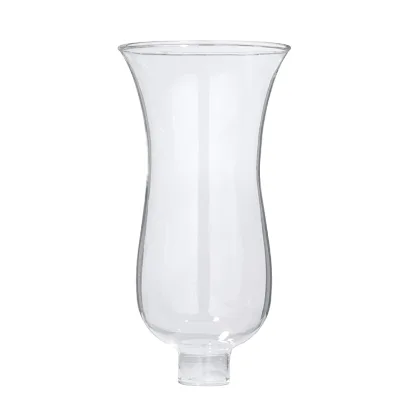
The color and transparency of the glass are crucial for the desired lighting effect. Clear-transparent glass offers maximum light transmission, suitable for modern, minimalist designs. Amber and grey variants provide specific color temperatures and diffusion qualities, often used to create a warmer or more subdued ambiance. The "Appearance" of the glass, whether flat tempered or bent, must align with the overall design language of the space. Flat tempered glass is ideal for contemporary, geometric designs, while bent glass is preferred for organic, flowing forms.
In addition to residential use, glass light shades are employed in commercial and industrial settings. The "Usage" category includes building, furniture, home appliances, and electronics & instruments. In these contexts, the glass must often meet higher durability and safety standards. For instance, glass used in home appliances or electronics instruments requires precise thickness control and high resistance to thermal shock. The "Bespoke Lights" and "Custom Lightings" applications highlight the demand for tailored solutions that fit unique architectural constraints or specific branding requirements. Buyers should clearly define the end-use environment to ensure the selected glass shade meets the necessary functional and aesthetic criteria.
Supplier Evaluation and Operational Capabilities
Selecting the right supplier is as important as selecting the right product. Buyers should evaluate suppliers based on their production capabilities, origin, and logistical readiness. The market data indicates that glass light shades are primarily sourced from China, with specific manufacturing hubs in Ningbo and Guangdong. These regions are known for their established glass processing industries and supply chain efficiency. However, buyers must verify the specific origin of the product to ensure it aligns with their sourcing strategy and any potential trade regulations.
Supplier capabilities should be assessed against the required customization levels. A supplier offering "Custom Design" and "Customized" thickness and color options demonstrates the flexibility needed for bespoke projects. The production process, specifically the "Physically Tempered" technique, should be verified to ensure the supplier has the necessary equipment and expertise. Additionally, the packaging methods, such as "Polyfoam + Export Carton" or "Wooden Case Packing," are critical indicators of a supplier's commitment to product safety. Fragile glass items require robust packaging to prevent breakage during transit, and suppliers who fail to provide adequate protection pose a significant risk to the buyer.
Lead times and production capacity are also vital considerations. While specific lead times are not universally standardized, the MOQ ranges suggest that suppliers are equipped to handle both small and large volume orders. Buyers should inquire about the supplier's ability to scale production and their track record for meeting delivery deadlines. A supplier with a history of consistent quality and reliable logistics is preferable to one that offers lower prices but lacks operational stability.
Quality Control and Long-Term Procurement
Ensuring consistent quality is paramount in the procurement of glass light shades. Quality control measures should encompass the entire production lifecycle, from raw material inspection to final packaging. Buyers should verify that the supplier conducts rigorous checks on the "Flatness" and "Appearance" of the glass, ensuring that the product conforms to the specified standards. The "Standard" for the glass, such as GB/T 9963, should be strictly adhered to, with regular audits to confirm compliance.
Long-term procurement considerations involve building a sustainable relationship with suppliers who can maintain quality over time. This includes establishing clear communication channels for addressing any defects or deviations. Buyers should implement a robust inspection protocol, potentially utilizing third-party inspection services to verify product quality before shipment. The "Surface Treatment" processes, such as sandblasting and acid etching, require careful monitoring to ensure consistency in texture and finish.
Furthermore, buyers should consider the lifecycle of the product. Glass light shades are durable, but the quality of the tempering and surface treatment affects their longevity. Suppliers who offer warranties or guarantees on their products demonstrate confidence in their quality control processes. By focusing on suppliers with proven track records and robust quality assurance systems, buyers can mitigate risks and ensure a steady supply of high-quality glass light shades for their projects.
Conclusion
Sourcing glass light shades is a multifaceted process that demands attention to technical details, regulatory compliance, and supplier reliability. By understanding the variations in material properties, dimensions, and surface treatments, buyers can make informed decisions that align with their specific project needs. The market offers a wide range of options, from standard flat tempered glass to complex custom designs, each with its own cost drivers and application requirements. Through rigorous supplier evaluation and quality control measures, buyers can secure a supply chain that delivers consistent, high-quality products while adhering to all relevant standards and certifications.
FAQs
What certifications are available for glass light shades?
Common certifications include ISO, CE, CCC, FCC, and RoHS. Buyers must verify specific documents for each batch, as standards like GB/T 9963 for tempered glass vary by manufacturer and application requirements.
How is the glass thickness customized for orders?
Thickness can be customized ranging from 2mm to 25mm depending on the supplier. This flexibility allows for tailored solutions in high-traffic or high-heat environments while maintaining structural integrity.
Which surface treatments are offered for glass light shades?
Available treatments include sandblasting, acid etching, anti-glare coatings, and serigraphy. These processes directly impact light diffusion and user comfort for applications like table lamps or pendant lights.
Can buyers request custom designs for glass light shades?
Yes, custom designs are acceptable and often include bespoke dimensions and colors. Suppliers offer tailored solutions for specific architectural constraints or branding requirements using specialized molds and techniques.
What is the typical price range for glass light shades?
Prices typically range from 0.3 to 12 USD per unit. The cost depends heavily on thickness, customization levels, and order volume, with thicker or bent glass commanding higher prices.
Where are glass light shade manufacturers primarily located?
Manufacturers are primarily located in China, with hubs in Ningbo and Guangdong. Buyers should verify the specific origin to ensure alignment with sourcing strategies and trade regulations.
How does the minimum order quantity affect pricing?
MOQs range from 50 to 20,000 units, significantly impacting unit costs. Larger orders allow fixed costs to be amortized, resulting in lower per-unit prices compared to small volume purchases.